
In the complex landscape of business operations, contracts serve as the bedrock of agreements, defining responsibilities, expectations, and legal obligations. However, every contract inherently carries potential legal risks that, if unaddressed, can lead to costly disputes, financial losses, reputational damage, and operational disruptions. Proactive and systematic management of these risks is not just a legal best practice; it’s a fundamental aspect of sound business strategy, essential for safeguarding interests and fostering stable commercial relationships. This article outlines key strategies for effectively managing legal risks embedded within contractual agreements, helping organizations operate with greater certainty and protection.
Overview
- Contract risk refers to potential adverse outcomes arising from contractual agreements, including legal disputes, financial penalties, and operational failures.
- Proactive identification of these risks through thorough review and analysis is crucial before contract execution.
- Effective drafting, using clear and unambiguous language, is a primary tool for mitigating future legal challenges and misunderstandings.
- Implementing robust risk mitigation controls, such as standardized templates and approval processes, helps standardize legal safeguards.
- Ongoing monitoring and periodic review of active contracts allow for adaptation to changing circumstances or legal requirements.
- Understanding specific legal frameworks, such as those prevalent in the US, is vital for ensuring compliance and enforceability.
- Regular consultation with legal professionals is recommended to ensure robust risk management practices and to address complex contractual issues.
Understanding and Identifying Contract Risk
Contract risk refers to the potential for adverse outcomes stemming from a contractual agreement. These risks can manifest in various forms, including financial penalties, operational delays, reputational damage, or even legal action. Identifying these risks early is the first critical step in managing them effectively. Common sources of contract risk include ambiguous language that leads to misinterpretation, non-compliance with regulatory requirements, uncertain performance obligations, inadequate dispute resolution mechanisms, and failure to account for unforeseen circumstances. A thorough pre-execution review must scrutinize every clause, evaluating its clarity, enforceability, and potential impact on your organization’s interests. This involves assessing the other party’s reliability and financial stability, as well as the commercial reasonableness of the terms. Overlooking these details can create significant vulnerabilities down the line.
Proactive Strategies for Minimizing Legal Risks in Contracts
Minimizing legal risks begins long before a contract is finalized. A proactive approach involves meticulous due diligence on all parties involved to understand their capabilities, track record, and financial health. Defining the scope of work and deliverables with absolute clarity is paramount. Vague descriptions can lead to disputes over what was expected versus what was delivered. Establish well-defined terms and conditions covering every aspect of the agreement, from payment schedules and delivery timelines to intellectual property rights and confidentiality obligations. Consider all possible scenarios and plan for them within the contract’s framework. This forward-thinking strategy helps prevent many common legal issues before they even arise, building a stronger foundation for the business relationship.
Effective Drafting to Control Legal Risks in Contracts
The language used in a contract is its protective shield. Precision and clarity in drafting are non-negotiable. Ambiguous wording is a breeding ground for disputes, as each party may interpret a clause differently. Explicitly define all key terms, roles, and responsibilities. Incorporate specific clauses designed to manage potential risks, such as indemnity clauses to allocate liability, force majeure clauses to address unforeseeable events, and robust dispute resolution mechanisms (e.g., arbitration or mediation) to avoid lengthy litigation. Clearly state the governing law for the contract, which in the US often means specifying a particular state’s law to ensure legal certainty. Well-crafted contracts anticipate potential problems and provide a clear framework for addressing them, significantly reducing overall exposure.
Implementing Risk Mitigation Controls for Contractual Agreements
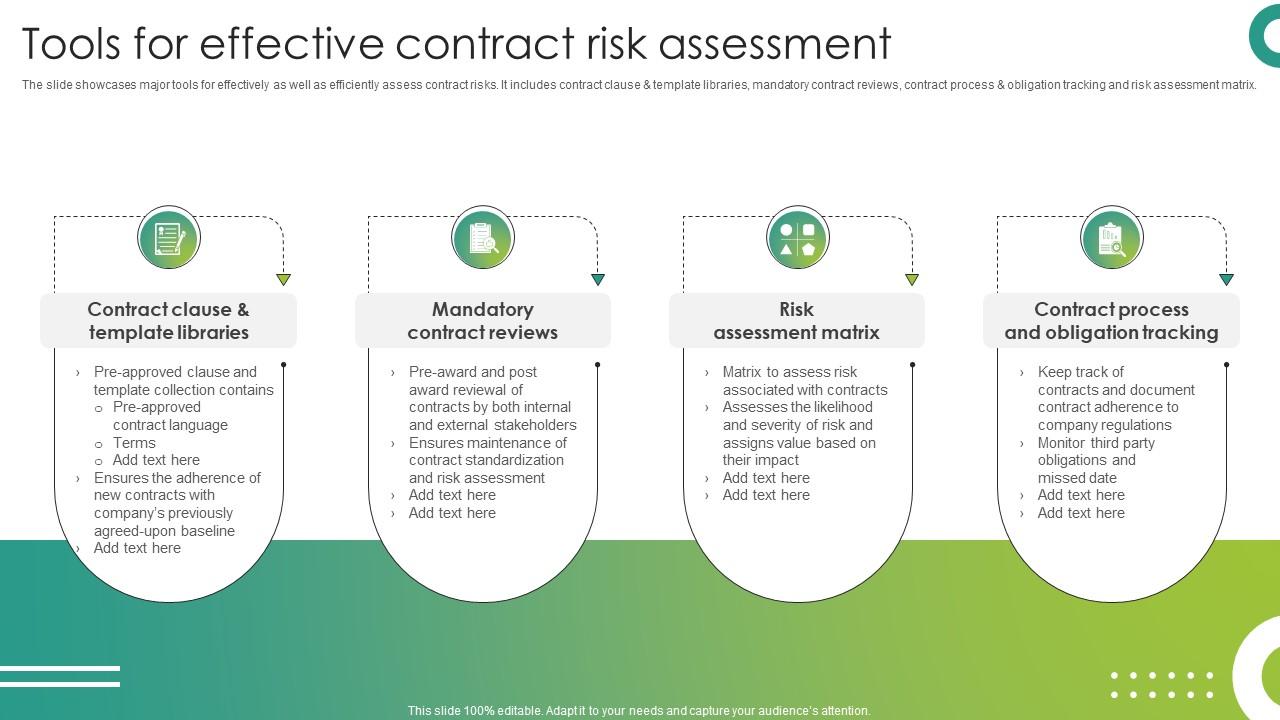
Beyond initial drafting, implementing consistent risk mitigation controls throughout the contract lifecycle is essential. This includes establishing standardized contract templates for common agreement types, ensuring consistency and preventing the omission of critical clauses. Develop a robust internal review and approval process where legal and relevant business teams scrutinize contracts before signing. This multi-stage review helps catch errors or unfavorable terms. Regular compliance checks are vital to ensure that all contractual obligations are being met by both parties and that the contract remains in line with current laws and regulations. Develop clear escalation procedures for when issues or breaches occur, defining who is responsible for addressing them and what steps should be taken.
Ongoing Monitoring and Adaptation of Contractual Legal Risks
The management of legal risks in contracts is not a one-time event; it’s an ongoing process. Once executed, contracts require continuous monitoring to ensure adherence to their terms. Track key performance indicators and critical dates, such as renewal options, expiration dates, and performance milestones. Establish clear procedures for amendments or modifications to the contract, ensuring all changes are properly documented and legally binding. Periodic legal reviews are crucial, especially for long-term agreements or those in rapidly changing regulatory environments. These reviews help assess whether the contract still serves its intended purpose and complies with evolving legal standards, allowing for timely adaptations to changes in law, market conditions, or internal business objectives.
