
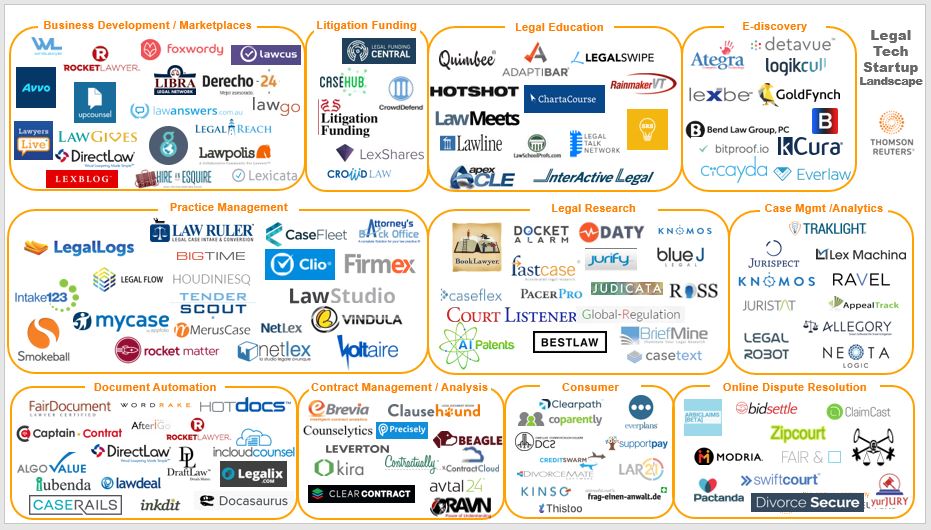
The legal profession, traditionally perceived as slow to adopt new technologies, is undergoing a seismic shift. Driven by increasing client expectations, competitive pressures, and the ever-growing complexity of legal work, law firms are increasingly turning to technology to streamline operations, improve client service, and gain a competitive edge. The rise of legal tech isn’t just a trend; it’s a fundamental change in how legal services are delivered.
Key Takeaways:
- Legal tech is essential for modern law firms to improve efficiency and client service.
- Automation and AI are transforming tasks like document review, legal research, and case management.
- Adopting legal tech allows firms to remain competitive and adapt to evolving client needs.
- Improved data security and compliance are key benefits of legal tech solutions.
Improving Efficiency with Legal Tech
One of the most significant impacts of legal tech is its ability to automate repetitive and time-consuming tasks. Consider the traditional process of document review, which could take paralegals weeks or even months to complete. With legal tech solutions powered by artificial intelligence (AI), these tasks can be completed in a fraction of the time with greater accuracy. This frees up legal professionals to focus on higher-value tasks such as strategic planning, client communication, and courtroom advocacy.
Beyond document review, legal tech is also revolutionizing areas like legal research. Online legal databases, powered by sophisticated search algorithms, allow lawyers to quickly access relevant case law, statutes, and regulations. This not only saves time but also improves the quality of legal research by providing access to a wider range of sources. Case management software is another crucial tool, helping firms organize and track cases, manage deadlines, and communicate with clients more effectively. By automating these processes, legal tech helps law firms operate more efficiently, reduce costs, and improve profitability.
Enhancing Client Service with Legal Tech
In today’s competitive legal market, client service is paramount. Clients expect responsiveness, transparency, and personalized attention. Legal tech enables law firms to meet these expectations by providing a range of tools for improving client communication and engagement. Client portals, for example, allow clients to securely access case information, track progress, and communicate with their legal team. These portals provide a convenient and transparent way for clients to stay informed and engaged throughout the legal process.
Furthermore, legal tech can help law firms provide more personalized and tailored legal services. AI-powered tools can analyze client data to identify patterns and predict potential legal issues, allowing lawyers to proactively address client needs. Chatbots and virtual assistants can provide instant answers to frequently asked questions, freeing up lawyers to focus on more complex inquiries. By leveraging legal tech to improve communication and provide personalized services, law firms can build stronger client relationships and improve client satisfaction.
Staying Competitive with Legal Tech
The legal landscape is constantly evolving, and law firms that fail to adapt risk falling behind. Legal tech is no longer a luxury; it’s a necessity for firms looking to stay competitive in today’s market. Firms that embrace legal tech are better positioned to attract and retain clients, attract top talent, and expand their market share. They are able to offer more efficient, cost-effective, and client-centric legal services than their competitors.
Moreover, legal tech enables law firms to adapt to changing legal regulations and industry trends. With the increasing volume and complexity of data, law firms need tools to help them manage information and ensure compliance. Legal tech solutions can automate compliance tasks, track regulatory changes, and provide alerts for potential risks. By staying ahead of the curve with legal tech, law firms can minimize risk and maintain a competitive advantage. For us, it’s about empowering our clients with the best possible tools.
Strengthening Data Security with Legal Tech
Data security is a major concern for all businesses, but it’s especially critical for law firms, which handle sensitive client information. Legal tech solutions can help law firms improve their data security posture and protect client data from cyber threats. Cloud-based legal software providers invest heavily in security infrastructure and employ robust security measures to protect data from unauthorized access, breaches, and loss.
Furthermore, legal tech can help law firms comply with data privacy regulations such as GDPR and CCPA. These regulations require businesses to implement specific measures to protect personal data, and legal tech solutions can automate many of these compliance tasks. For example, data discovery tools can help firms quickly identify and retrieve data relevant to legal requests, while data encryption tools can protect data from unauthorized access. By implementing legal tech solutions, law firms can strengthen their data security and protect the confidentiality of client information, giving both us and our clients peace of mind.
